
The Interoperability War: Why Your AI Agents Need a Universal Language
Why A2A (Agent-to-Agent) protocol is the key to 2026 enterprise AI. Learn how to break vendor lock-in and enable autonomous multi-agent orchestration.
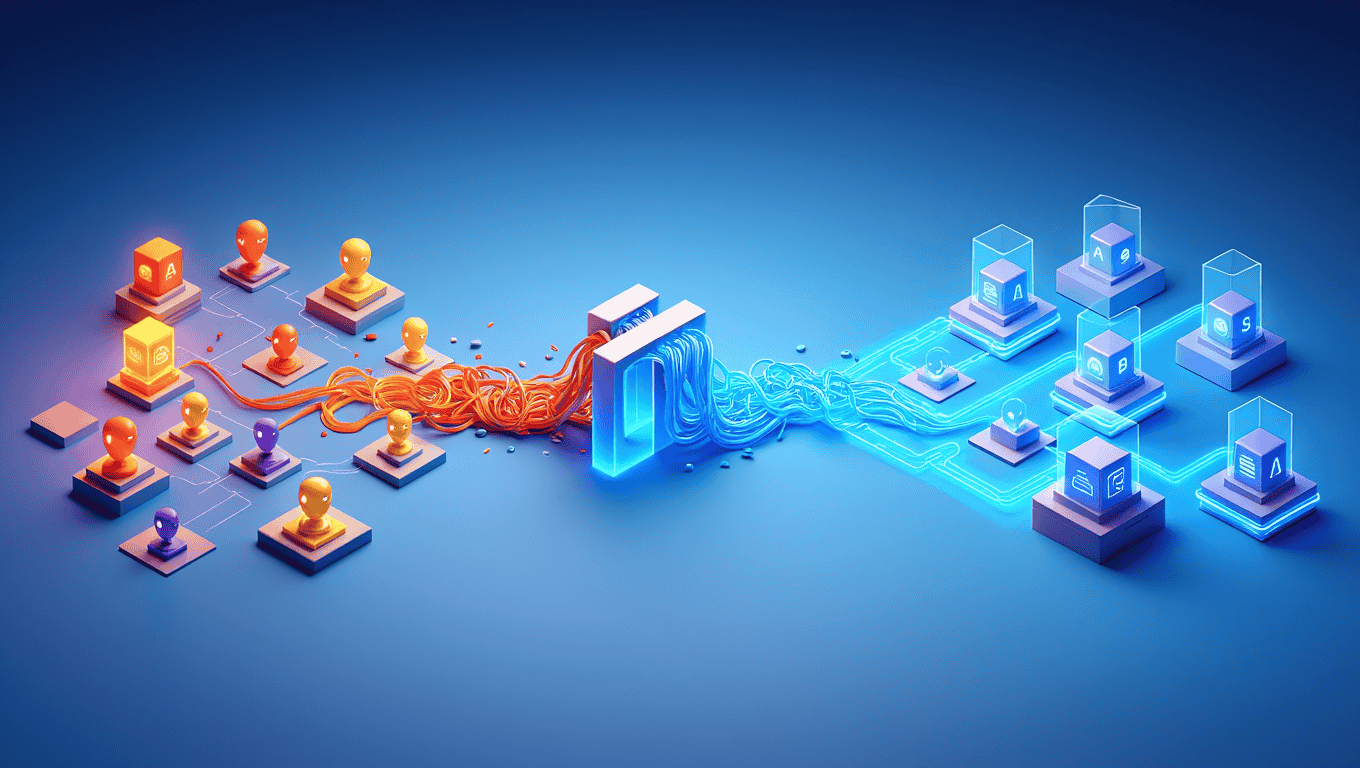
The year 2026 has brought a new technical bottleneck. Most enterprises have successfully deployed individual AI agents, but these agents are living in isolated silos. Your Salesforce agent cannot "talk" to your supply chain agent. This fragmentation is the new "walled garden" of the digital age. To unlock true autonomous scale, we must move toward the Agent-to-Agent (A2A) Protocol.
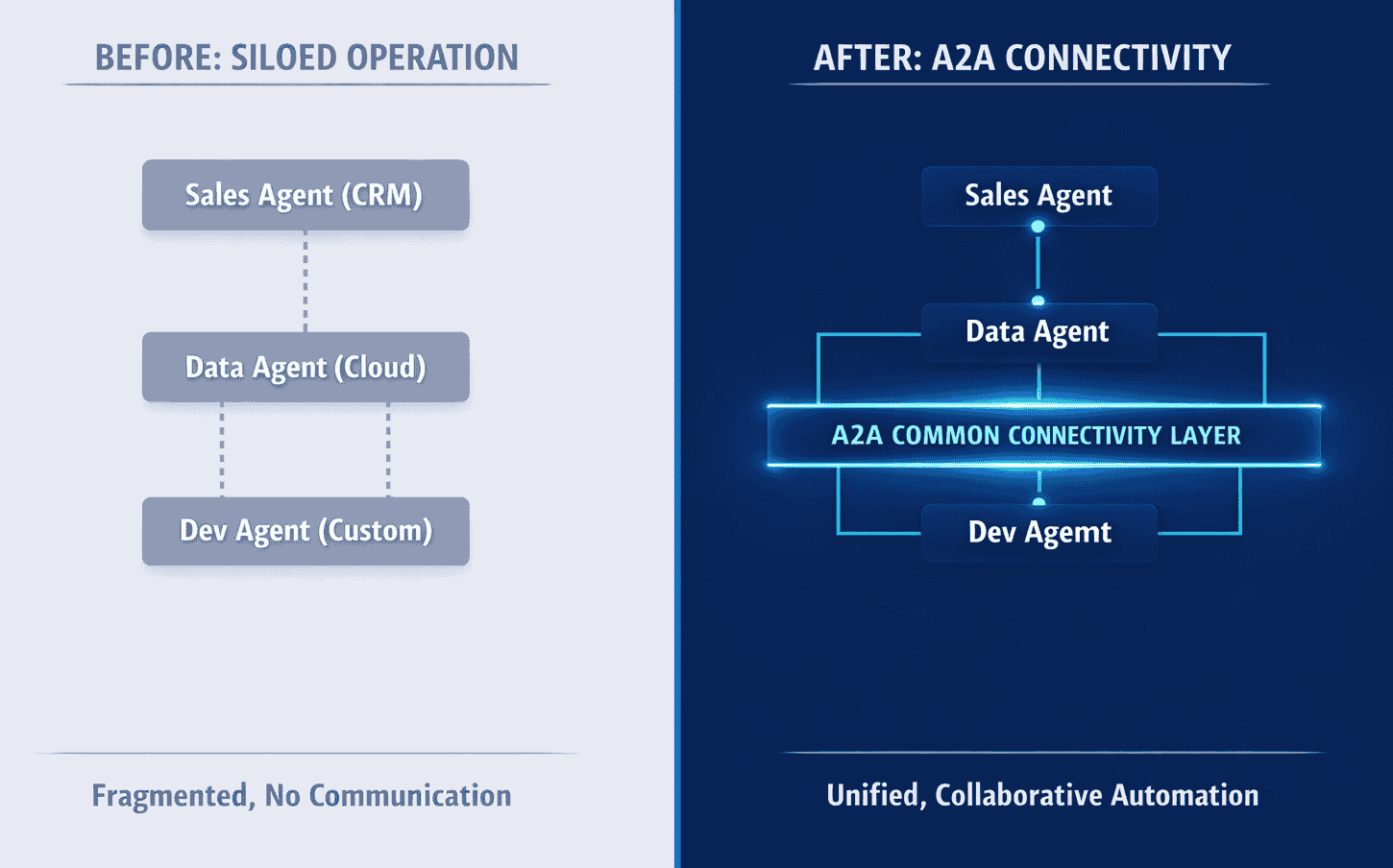
Interoperability is no longer a luxury; it is a survival trait. When agents cannot communicate across platforms, human employees remain the "glue" that moves data between systems. This manual hand-off defeats the purpose of autonomy. The industry is currently split between closed ecosystems and open standards. The winners of 2027 will be those who adopt a "Universal Translator" for their digital workforce.
The Rise of the A2A Protocol
A2A is the "TCP/IP" of the agentic era. It provides the foundational layer that allows a Google-built agent to coordinate tasks with a custom-built Codynex agent. Without this standard, your enterprise is simply building a faster version of the same old disconnected software.
1. Breaking the Vendor Lock-In
Most big tech providers want you to stay within their proprietary AI stack. They benefit when your agents can only communicate with their own internal tools. However, a modern enterprise uses a "heterogeneous" stack of best-in-breed solutions. A2A allows you to mix and match agents from different vendors without losing functional cohesion.
You must prioritize "Vendor Neutrality" in your 2026 roadmap. This prevents your entire operation from being held hostage by a single provider's pricing or downtime. It ensures your infrastructure remains agile and replaceable.
2. Multi-Agent Orchestration at Scale
True efficiency happens when agents delegate sub-tasks to one another autonomously. Imagine a "Procurement Agent" identifying a stock shortage and automatically messaging a "Supplier Agent" to negotiate a restock.
- The A2A Advantage: These agents don't need to share the same underlying model or memory.
- The Result: Complex, multi-step workflows that execute in seconds instead of days.
This orchestration layer acts as the "Central Nervous System" of your company. It allows specialized agents—each a master of its own domain—to work toward a shared goal. This is the difference between a collection of tools and a unified digital organism.
3. Secure Metadata Exchange
A major fear of inter-agent communication is data leakage. A2A addresses this by using "Agent Cards"—standardized resumes that tell other agents what a bot can do without revealing how it does it. This preserves your proprietary logic while enabling collaboration.
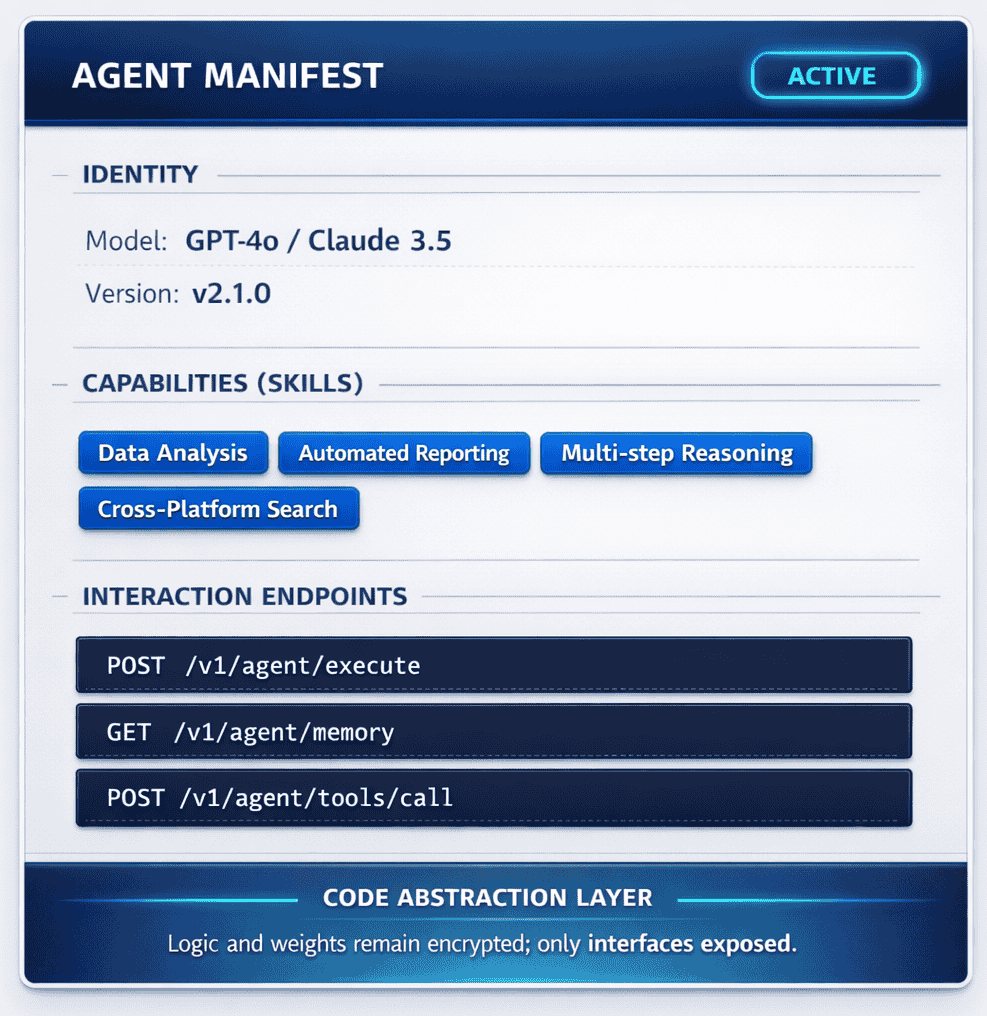
Security must be ambient, not an afterthought. Standardized protocols allow for role-based access control (RBAC) at the agent level. This ensures that an external vendor's agent can request an invoice status without accessing your entire financial database.
4. Preparing for the "Agentic Front-End"
By late 2026, Gartner predicts that one-third of user experiences will shift to agentic front-ends. Users will no longer log into five different apps to complete a task. They will speak to a single "Client Agent" that coordinates with ten "Remote Agents" in the background.
If your agents are not A2A-compliant, they will be invisible to this new ecosystem. You will be locked out of the "Agentic Web." Compliance today is the only way to ensure discoverability tomorrow.
"Standardization is the final hurdle between 'Automation' and 'Autonomy'."
Our clients are already seeing a 50% reduction in workflow latency by adopting A2A-compatible hubs. One manufacturing firm synchronized three different legacy systems through a single agentic layer. They eliminated 40 hours of manual data reconciliation per week. These results aren't just technical wins; they are bottom-line transformations.
Don't let your agents live in isolation. Book a consultation with Codynex to audit your agentic interoperability. We help your AI speak the language of the future.
Comments ()